
Gondhal – Simply Spectacular!!! PK Verdict: Gold Plus 4.5⭐s
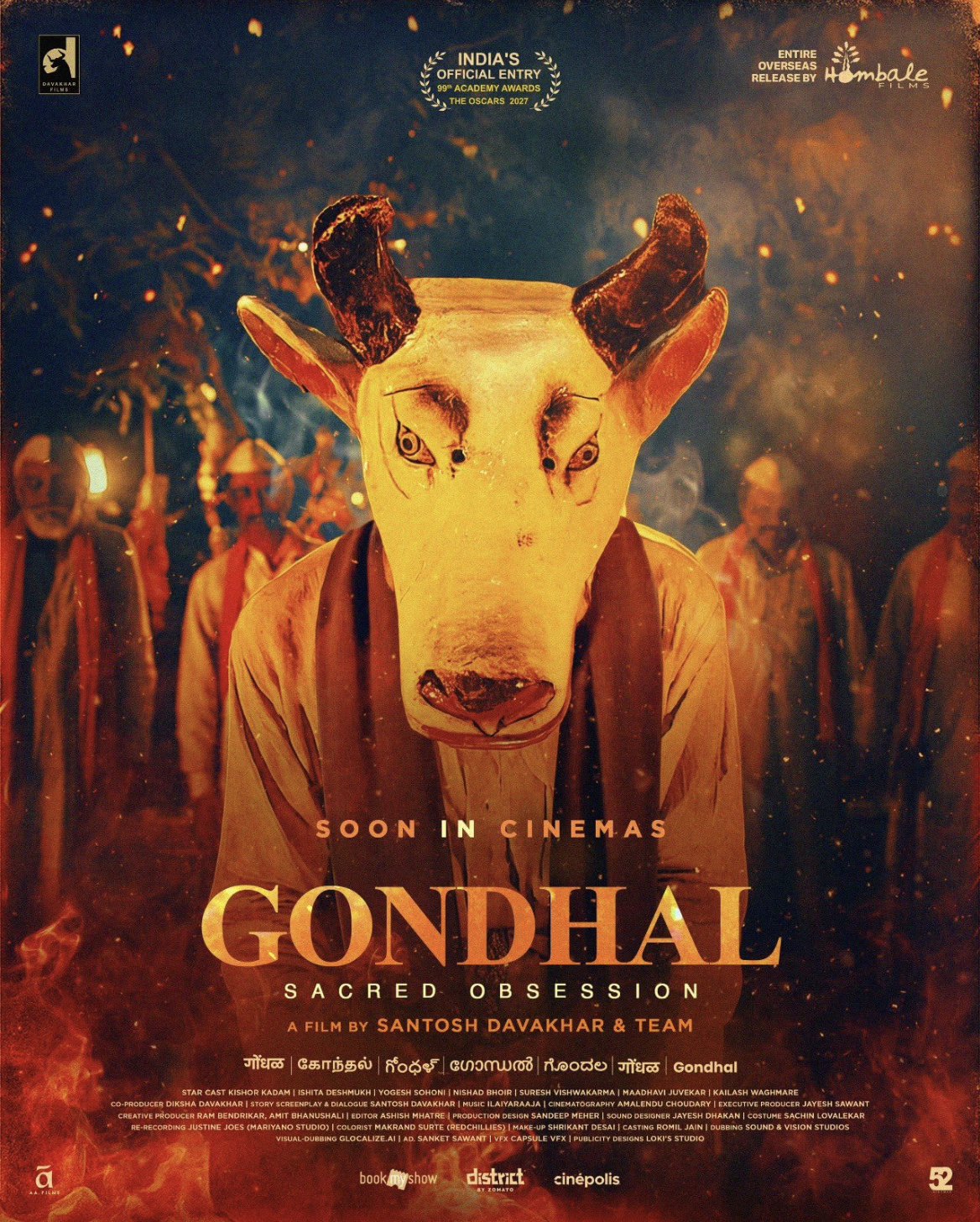
 Watch The Trailer
November 14, 2025
Kishor Kadam | Ishita Deshmukh | Yogesh Sohoni | Nishad Bhoir | Anju Prabhu| Suresh Vishwakarma | Maadhavi Juvekar | Aishwarya Shinde| Kailash Waghmare | Poonam Patil | Prashant Deshpande | Sharad Jadhav | Vitthal Kale | Pravin Dalimbkar | Dhruv Thoke | Prabhakar Mathapati
Theatre
Cultural , Drama , Musical , Physcological Thriller , Social
Gondhal – Simply Spectacular!!!
A mesmerising cinematic experience that blends folk traditions, psychological drama, and spiritual symbolism into a spectacular piece of cinema, where Sacred Meets the Sinister.
Some films entertain you, some leave you thinking, and then there are films like Gondhal that completely immerse you in their world. With his debut film, director Santosh Dhavakhar hits it out of the park, delivering a cinematic experience that is as audacious as it is captivating. A film that deserves to be celebrated for its storytelling, technical brilliance, and sheer cinematic ambition!
A 25-Minute Single Take That Sets the Stage. The film opens with a remarkable 25-minute continuous single take, immediately drawing you into its world. There is no looking away, no breaking the spell—just pure, immersive cinema. The world builds, characters blossom, the story unfolds, and cinema flows like never before—all over one unforgettable night, from dusk till dawn.
It is a treat for cinephiles, but its appeal extends well beyond them. The camera becomes a silent observer, allowing the characters and their surroundings to breathe naturally. The result is an immersive experience that feels less like watching a film and more like being part of the unfolding drama.
As the narrative progresses through a single night until dawn, the film demonstrates an extraordinary command of atmosphere, rhythm, and storytelling. The musical landscape, crafted by maestro Ilaiyaraaja, adds another layer of magic to the proceedings. Rooted in the film’s cultural setting, the music enhances the atmosphere and deepens the emotional experience without overpowering the narrative.
The visuals are equally striking, Amalendu Chaudhary captures the textures of rural Maharashtra with an evocative eye. Sound Design by Jayesh Dhakan is commendable, it’s an experience by itself. The interplay of light, darkness, sound, and silence creates a world where every moment feels charged with anticipation.
Set in a rural village in Maharashtra, Gondhal revolves around Suman, essayed by Ishita Deshmukh, a bride-to-be whose personal turmoil lies at the heart of the story. She brings remarkable depth to Suman, portraying a woman caught between desire, desperation, and the suffocating circumstances of her life.
Rest of the performances too are major strength. . Yogesh Sohoni, as Anandrao, also known as Andya, lends authenticity to the role of her gentle, simple husband.
Nishad Bhoir, as Sarjerao, embodies the unsettling intensity of a jealous and obsessive suitor, while Kishor Kadam adds considerable weight to the film’s portrayal of the local Gondhali tradition and the complex social dynamics surrounding it. Anuj Prabhu plays Sahebrao, the man Suman truly loves and conspires to be with, is integral part of the Gondhol program.
Together, the cast creates a compelling portrait of a rural world where desire, power, hypocrisy, and tradition are intricately intertwined.
At the centre of the narrative is the traditional Gondhal—a night-long devotional folk ritual and musical ceremony performed to invoke divine blessings and ward off evil. What begins as a sacred celebration gradually transforms into something far more sinister.
Suman cleverly manoeuvres Sarjerao’s obsession with her and his deep fascination with the ritual. The ceremony becomes the backdrop for a volatile game of psychological chess, where hidden agendas, romantic jealousy, betrayal, revenge, and murder begin to surface.
As the night unfolds, the film steadily tightens its grip. The seemingly familiar world of village customs and celebrations becomes a pressure cooker of conflicting emotions and simmering tensions. Beneath the surface lies a sharp commentary on rural power structures, sexual abuse, patriarchy, and the hypocrisy that often hides behind the sanctity of tradition.
The metaphor of the evil spirit is particularly effective, coming into its own as the story approaches its climax. The darkness that the ritual is meant to ward off begins to mirror the darkness within the characters themselves.
And then comes the dawn. As the first light breaks, the consequences of the night’s events gradually reveal themselves. The domino effect is startling, yet the film handles its revelations with remarkable subtlety. Rather than relying solely on dramatic exposition, it allows its spiritual undertones and visual storytelling to deliver the final impact.
It is here that Gondhal truly comes alive. The metaphor reaches its fullest expression, lending the climax an almost transcendental quality. The final stretch leaves you with that rare cinematic feeling—a mixture of awe, contemplation, and the urge to revisit everything you have just witnessed.
Gondhal is an audacious and deeply immersive piece of filmmaking that brings together technical brilliance, evocative music, powerful performances, and culturally rooted storytelling. The 25-minute single take is a remarkable achievement, but the film’s real strength lies in how seamlessly its craft serves the larger narrative.
Santosh Dhavakhar announces himself as a filmmaker to watch, demonstrating confidence and a distinctive cinematic sensibility right from his debut. The film’s deliberate pacing and layered symbolism demand your attention, rewarding viewers willing to surrender themselves to its world.
PK VERDICT: Gold Plus 4.5⭐s
P.S. Gondhal has already won the Silver Peacock for Best Director at the 56th International Film Festival of India (IFFI) and now stands selected as India’s official entry for Best International Feature Film at the 99th Academy Awards Oscars.
The film re-releases in multiple languages on November 13th, 2026.